


TL;DR
- Day 1: Uluru-Kata Tjuta Cultural Centre, sunset at Talinguru Nyakunytjaku
- Day 2: Sunrise at Uluru, free Mala Walk ranger tour, Uluru Base Walk, sunset camel ride
- Day 3: Kata Tjuta (Valley of the Winds or Walpa Gorge)
- All accommodation is at Ayers Rock Resort in Yulara, about 20 km from the park entrance
- Book camel tours and guided walks in advance, especially April to October
Uluru sits at the heart of Australia the way few natural landmarks do anywhere in the world. It’s a UNESCO World Heritage Site, the spiritual home of the Anangu people, and a sandstone monolith that shifts colour as the day moves. Three days is enough time to see the main highlights without rushing, and this 3-day itinerary in Uluru is designed to help you do exactly that.
You’ll cover the cultural essentials, walk the full base, catch sunrise and sunset in different spots, and still have time to explore Kata Tjuta before heading home.
3-Day Uluru Itinerary Overview
| Day | Highlights |
| Day 1 | Uluru-Kata Tjuta Cultural Centre, sunset at Talinguru Nyakunytjaku |
| Day 2 | Sunrise at Uluru, Mala Walk, Uluru Base Walk, camel sunset tour |
| Day 3 | Kata Tjuta (Valley of the Winds or Walpa Gorge) |
Park entry is required for all activities inside Uluṟu-Kata Tjuṯa National Park. A 3-day pass costs $25 per person (children under 16 are free). Keep it with you, as rangers check it at entry points.
Day 1: Arrive and Get Oriented
Uluru-Kata Tjuta Cultural Centre
Start here. Before you see Uluru up close, it’s worth understanding what it means to the people who have called this place home for tens of thousands of years.
The Uluru-Kata Tjuta Cultural Centre is run in partnership with the traditional Anangu owners. It covers the natural and cultural history of the park, the Tjukurpa (creation law and stories of the Anangu), and the ongoing relationship between the community and the land. There are two art galleries where you can see and buy authentic Anangu artwork, and Aboriginal-guided tours operate from the centre regularly.
The Ininti Cafe is on site for coffee or a quick bite. There’s also a souvenir shop.
| Detail | Info |
| Location | Inside Uluṟu-Kata Tjuṯa National Park, approximately 1 km from Uluru |
| Opening hours | 7:00 am to 6:00 pm daily |
| Suggested time | 1 to 2 hours |
| Entry | Included in national park pass |
Uluru Sunset
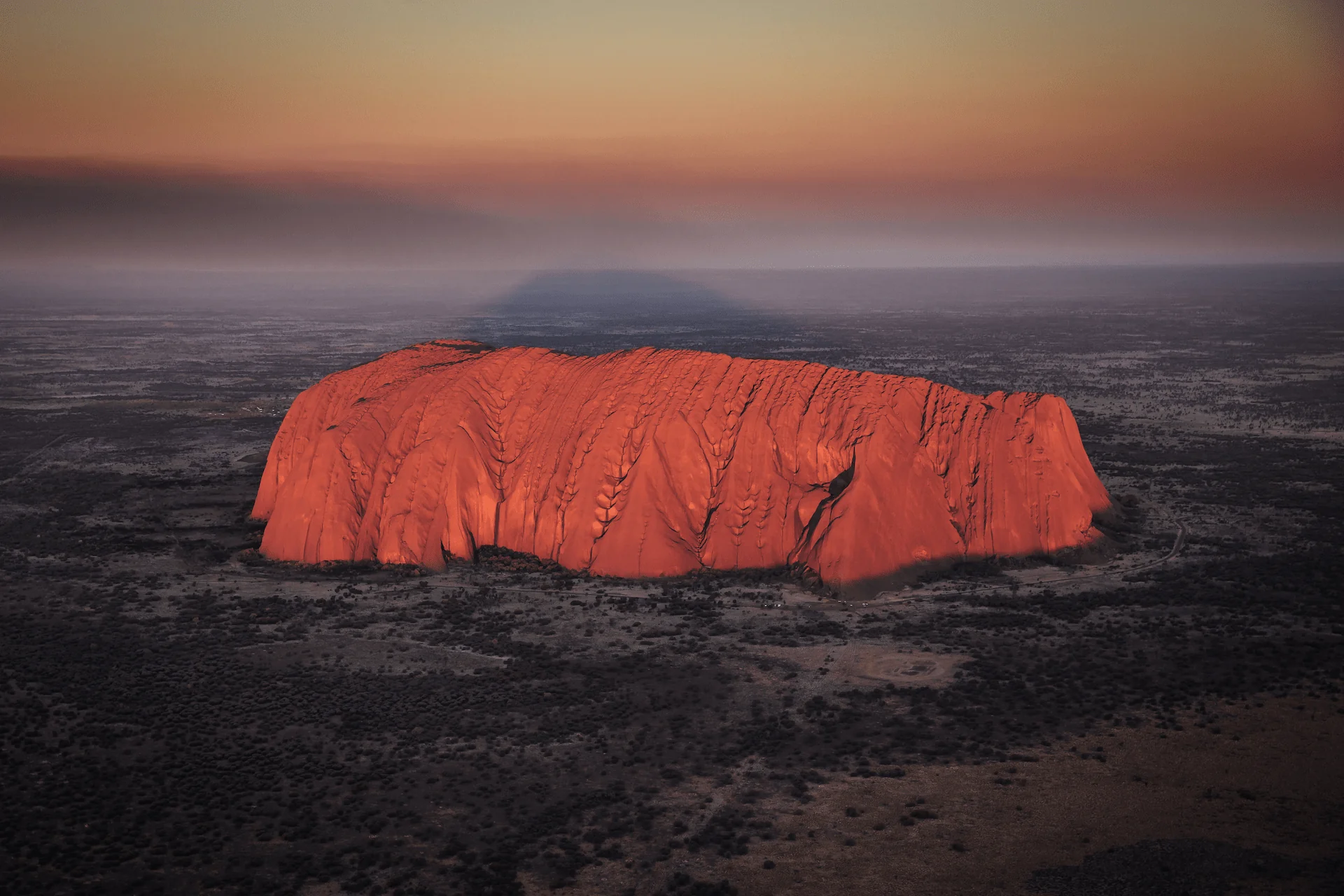
Don’t skip the sunset. Watching Uluru shift from burnt orange to deep red as the sun drops is one of those experiences that photographs don’t fully capture.
The most popular viewing point is Talinguru Nyakunytjaku, a purpose-built viewing area about 8 km from the rock. It gives a wide panoramic view of both Uluru and Kata Tjuta at the same time. The Kata Tjuta Dune Viewing Area is another option, though it’s further out and focuses more on the Olgas.
If you’re travelling independently by car, the Uluṟu Car Sunset Viewing Area is a closer and convenient option. The Uluṟu Coach Sunset Viewing Area is designated for guided tours and larger groups arriving by bus. If your accommodation has arranged a sunset tour, your transport will typically drop you at the coach area.
Tip: Arrive at least 30 to 45 minutes before sunset to secure a good spot, especially during peak season (April to October).
Day 2: The Big Walking Day
Uluru Sunrise
After watching the sun go down on Day 1, wake up early on Day 2 and watch it come up.
Sunrise at Uluru is quieter than sunset, which makes it worth the early start. The sky moves from dark to purple to pink, and the rock appears to glow from the inside. Talinguru Nyakunytjaku (also known as the Uluru Sunrise Viewing Area) is the main spot, with a clear, unobstructed sightline. The Kata Tjuta Dune Viewing Area is a good alternative if you want a wider, more remote feel.
Tips:
- Arrive 30 to 40 minutes before sunrise. Check the exact time for your travel dates.
- Bring a jacket. Mornings in the desert can be cold, even when days are hot.
Free Ranger-Guided Mala Walk
After sunrise, head to the Mala Walk car park for the free ranger-guided tour. This is one of the best free experiences in the park and something many visitors overlook.
The Mala Walk is a 2 km return walk along the northern face of Uluru. A park ranger leads the group through sections of the rock that hold deep cultural significance to the Anangu. You’ll hear Tjukurpa stories connected to specific formations, see ancient rock art up close, and learn how traditional tools were made and used.
The walk is wheelchair accessible and manageable for most fitness levels.
Schedule: Tours depart daily at 8:00 am (October to April) and 10:00 am (May to September) from the Mala Walk car park. The walk takes about 1.5 hours. You can also complete it independently if the tour times don’t suit.
Uluṟu Base Walk and Kantju Gorge
If you have the energy, the Uluru Base Walk is the full circuit around the rock. At 10.6 km, it takes about 3 to 4 hours at a steady pace, depending on how many stops you make.
The walk is mostly flat and well-marked. Along the way you’ll pass rock art, waterholes, caves, and unusual formations that most visitors never see from the road. The path takes you right up to the base in places, giving you a different sense of the rock’s scale.
Toilets are available at the Mala car park (north side) and the Kuniya car park (south side).
Start early. In the warmer months (November to March), Parks Australia recommends finishing before 11:00 am. The midday heat can be serious.
For a shorter option, the Kantju Gorge Walk is 1.5 km return (about 30 to 45 minutes). It branches off from the base walk on the western side and leads into a narrow, shaded gorge with a seasonal waterhole at the end. Good if you’re short on time or energy after the morning’s activities.
Sunset Camel Tour
After a morning of walking, the camel tour is a good way to end Day 2. It’s slow, it’s quiet, and the view of Uluru from camel height as the sun drops is genuinely different from what you get on foot.
Most operators offer a 1 to 2-hour sunset tour departing from the Yulara area and heading out into the desert toward Uluru. You ride in a small group with a guide. Tours typically include a drink and snacks at a rest stop.
| Detail | Info |
| Duration | Approximately 1.5 to 2.5 hours depending on tour type |
| Cost | From around $130 to $160 per adult (varies by operator) |
| Meeting point | Camel depot near Yulara, signposted from the resort |
| Booking | Strongly recommended, especially in peak season |
Day 3: Kata Tjuta
Kata Tjuta (the Olgas)
Kata Tjuta is a collection of 36 domed rock formations covering an area of around 21 square kilometres, about 50 km west of Uluru. The tallest dome, Mount Olga, reaches 546 metres above the surrounding plain. The formations are estimated to be around 500 million years old, placing them among the oldest exposed rock on earth.
For the Anangu, Kata Tjuta holds deep spiritual significance, and parts of the site are restricted from photography or public access.
| Walk | Distance | Time | Difficulty |
| Valley of the Winds | 7.4 km loop | 3 to 4 hours | Moderate |
| Walpa Gorge | 2.6 km return | 45 to 90 minutes | Easy to moderate |
The Valley of the Winds winds through the domes and opens onto sweeping views of the surrounding desert. Note that this trail closes when temperatures exceed 36 degrees C, usually from around 11:00 am to 3:00 pm on hot days. Walpa Gorge is shorter, running into a narrow valley between two of the larger domes. A good choice if time or energy is limited after two full days.
Practical details:
- Opening hours: 30 minutes before sunrise to sunset daily
- Facilities: toilets at both trailheads
- Suggested time: a half day for one trail; a full day for both
- Entry: included in the national park pass
Recommended Restaurants and Cafes
All dining near Uluru is based at Ayers Rock Resort in Yulara. The options are more varied than you’d expect for a remote location.
Sounds of Silence is the most well-known dinner experience. You eat under the stars in the desert with views of Uluru and Kata Tjuta, accompanied by a didgeridoo performance and a guided star-gazing session. Bookings are essential and fill up weeks in advance.
Tali Wiru offers fine dining on a dune, with smaller group sizes and a focus on local produce. It’s a premium experience requiring advance booking.
Ilkari Restaurant at Sails in the Desert serves breakfast and dinner daily. It’s the main sit-down restaurant for mid-range dining with a broad menu featuring local ingredients.
Kulata Academy Cafe is a social enterprise run by local hospitality students. Light meals and coffee. Affordable and worth supporting.
Geckos Cafe at The Lost Camel Hotel is casual, family-friendly, and open for pizza, salads, and burgers without needing a booking.
Ininti Cafe and Souvenirs at the Cultural Centre is the most convenient option while you’re in the park. Coffee, light meals, and snacks.
Recommended Accommodations in Uluru
All accommodation near Uluru is within Ayers Rock Resort in Yulara, about 20 km from the park entrance.
Sails in the Desert is the premium hotel on site, with a pool, multiple restaurants, and rooms designed around the desert environment. Rates from around $350 per night. Parking available.
The Lost Camel Hotel is a mid-range boutique option with a pool and resort facilities. Good value for couples or small groups. Rates from around $200 to $280 per night. Parking available.
Ayers Rock Campground is the budget choice, with powered and unpowered sites plus cabins, a shared pool, and a camp kitchen. Sites from around $40 to $50 per night, cabins from around $130. Parking available.
Wrapping Up Your Uluru Trip
Three days at Uluru gives you time to do the place properly. You get the cultural depth of the Cultural Centre, the full circuit of the rock, the best of Kata Tjuta, and both sunrise and sunset in the desert. Whether you’re travelling as a family, a couple, or solo, the 3-day Uluru itinerary above covers the key experiences without leaving you exhausted.
Ready to plan your visit? Use this itinerary as your starting point, or check out our 3 Day Uluru and King Canyon Tour.
FAQ
What are the must-visit places in Uluru?
The main sites are Uluru itself (the base walk and viewing areas), Kata Tjuta (the Olgas), and the Uluru-Kata Tjuta Cultural Centre. Most visitors also make time for at least one sunrise or sunset experience.
What activities can visitors do in Uluru?
Walking is the main activity, from the 10.6 km base walk to shorter trails like the Mala Walk and Kantju Gorge. Popular activities beyond walking include ranger-guided cultural tours, sunrise and sunset viewing, camel tours, and stargazing dinners.
What is the most popular walk in Uluru?
The Uluru Base Walk is the most popular. It’s a 10.6 km circuit around the full base of the rock and takes around 3 to 4 hours. The Mala Walk, a 2 km section along the northern face with a free ranger-guided option, is also consistently popular.
Is three days enough to explore Uluru?
Yes. Three days is enough to see the main highlights comfortably: the Cultural Centre, the base walk, both sunrise and sunset experiences, Kata Tjuta, and a camel tour. If you want to explore additional walks at Kata Tjuta or join more guided experiences, four days gives you more flexibility.
Is Uluru suitable for children?
Yes. The Cultural Centre is engaging for all ages. The Mala Walk is 2 km and wheelchair accessible, which makes it manageable for younger children. The Uluru Base Walk (10.6 km) is better suited to older children and adults. Camel tours are family-friendly, with most operators welcoming children aged 3 to 5 and up.
Other Tips & Articles

Check out our other Uluru Tours


