


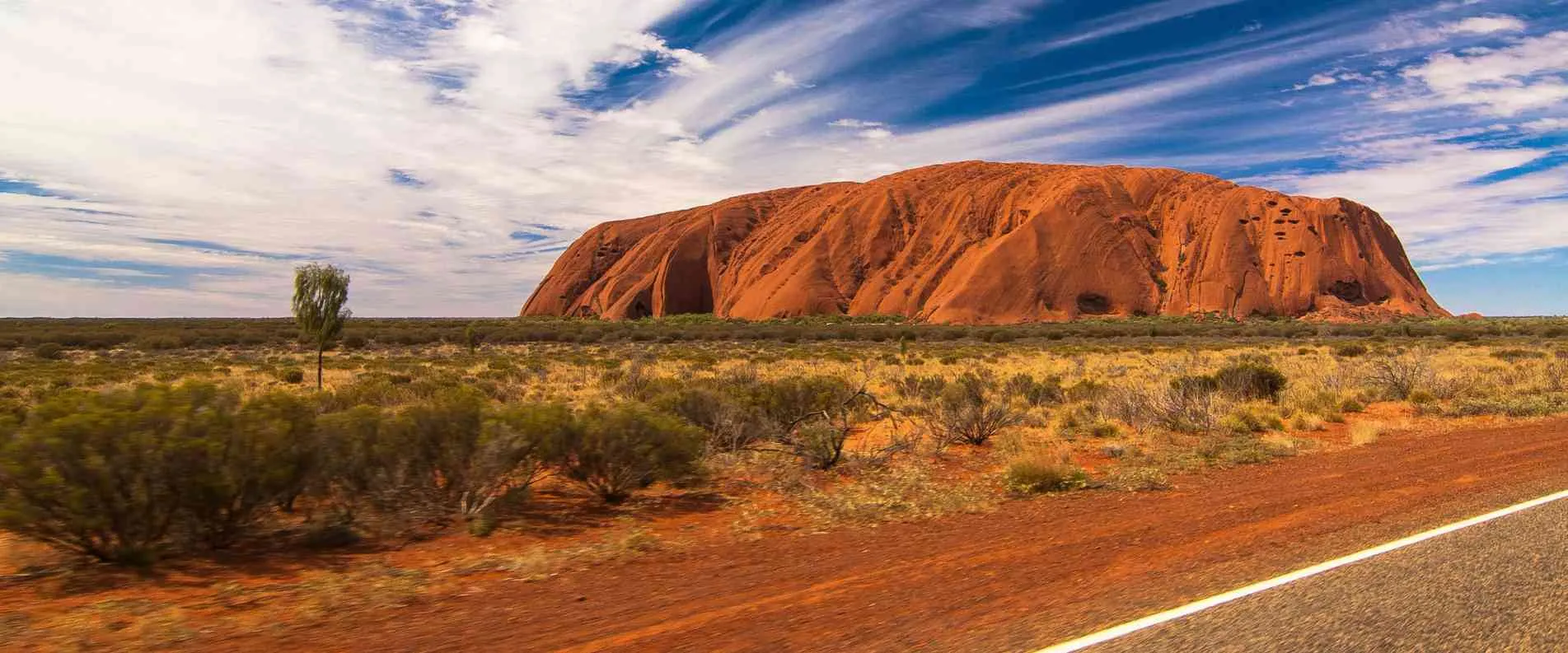
Uluru Tours

Are you ready to uncover
down-under?
Explore the breathtaking beauty of Uluru with our single or multi-day tours. Discover iconic rock formations, immerse yourself in Anangu culture and stunning sunrises and sunsets. Create lasting memories in Australia’s Red Centre.


3 Day Uluru & Kings Canyon Tour from Alice Springs
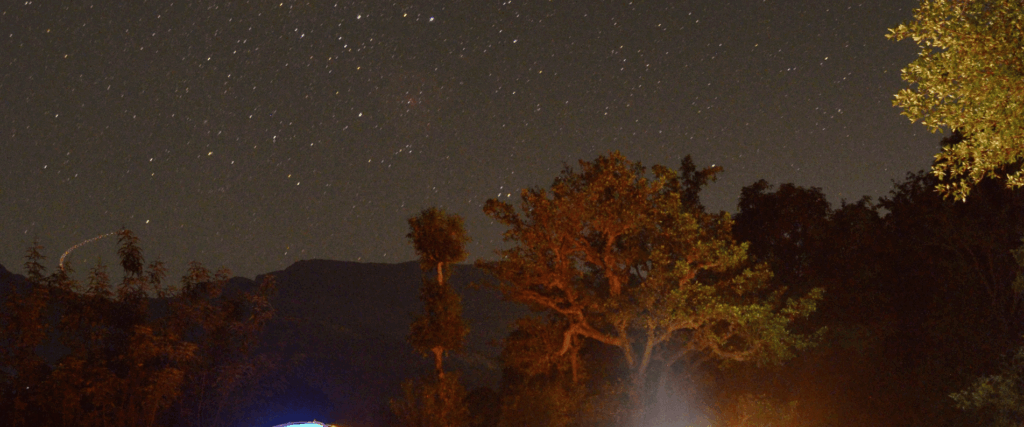
Considered by many as the most comprehensive and practical way to see Uluru and the Australian Red Centre from Alice Springs this 3 Day Uluru Tour from Alice Springs is one of our most popular Uluru Tours. Visit Uluru, Kata Tjuta and Kings Canyon plus heaps more, and take in the sunset at Uluru. The tour includes camping under the stars and all meals.
From $790

4 Day Uluru Tour
Embark on an unforgettable Uluru adventure with our comprehensive tour for travelers flying directly into Ayers Rock. Departing from Ayers Rock Airport, resorts, or camping areas, this journey lets you fully explore Australia’s stunning Red Centre, including Uluru, Kata Tjuta, and Kings Canyon. Enjoy camping under the stars and indulge in delicious meals throughout the tour. Book now to experience the magic of this iconic landscape!
From $850

1 Day Uluru Tour from Alice Springs
The World Famous Uluru is one of the most iconic tourist destinations in Australia. The stunning ‘Rock’ plays a starring role in our 1 Day Uluru Tour from Alice Springs. This tour is a mix of sightseeing, indigenous culture and hiking. You will visit the West MacDonald Ranges, Uluru and the Aboriginal Cultural Centre among other amazing destinations. Jam-packed with extras including wine and dinner while enjoying sunset at Uluru.
From $399

Uluru Sunrise and Kata Tjuta from Ayers Rock
If you are already staying at the Uluru (Ayers Rock) resort or camping area the Uluru Sunrise And Sacred Sites Tour is a perfect way to indulge in the cultural significance of the Majestic Rock. View sunrise from Talinguru Nyakunytjaku, enjoy a walk at Walpa Gorge Walk and hear in-depth commentary on the indigenous history and culture of the area. Finish up at the Uluru Cultural Centre.
From $209

Uluru Sunset & Sacred Sites from the Rock
Departing mid-afternoon from the Ayers Rock resort or camping area, this Kata Tjuta and Uluru Tour is a perfect afternoon spent in one of the world’s premiere natural destinations. Take in the wonder of the famous Mutitjulu Waterhole, be fascinated by the Aboriginal Stories that go back thousands of years and visit the Kata Tjuta Cultural Centre. Then take in one of nature’s most enthralling shows – Sunset at Uluru.
From $209

3 Day Uluru & Kings Canyon Premium Camping Tour
Immerse yourself in the marvels of the Red Centre with our 3 Day Uluru & Kings Canyon Tour Premium Camping Tour. Showcasing the splendour of Uluru (Ayers Rock), the tour takes you to other renowned destinations including Watarrka National Park (King Canyon), Mount Conner, and Kata Tjuta (the Olgas). These enchanting natural sites not only offer breathtaking views but also provide insights into the fascinating Aboriginal culture that has thrived at the heart of Australia for thousands of years. You can choose to camp in a swag or stay in a twin-share permanent safari tent to fully embrace the wonders of the Red Centre.
From $980

4 Day Ayers Rock & Red Centre Premium Camping Tour
Discover the highlights of the Red Centre with this exciting four day adventure to four iconic locations: Uluru, Kings Canyon, Kata Tjuta, and the West MacDonnell Ranges. You’ll enjoy hikes, swim in natural water holes, and witness unforgettable Outback sunsets. Throughout the trip, your expert local guide will share fascinating stories that bring the region to life. You’ll sleep in comfortable twin safari tents that offer privacy and security. Or, for a traditional Outback experience, bed down at night in a swag.
From $1420

3 Day Uluru & Kings Canyon Tour from Uluru
Discover the magical Red Centre on this three day Uluru camping adventure! Departing from Uluru, spend three days exploring the highlights of the region. Hike around the base of Uluru, Embark on the Kings Canyon Rim Walk, weave amongst the boulders of Kata Tjuta, and much more. Don’t forget to bring your camera to capture countless memories from this once in a lifetime journey!
From $790

4 Day Uluru Tour from Alice Springs
Discover the highlights of Uluru and its surroundings on this unforgettable 4-day adventure. From the iconic Uluru to Kata Tjuta and Kings Canyon, there is so much to be explored! This tour includes three nights spent camping under the starry desert night sky, all meals, and much more. What are you waiting for? Join this epic journey into the Australian Outback!
From $850

Uluru Sunset Tour
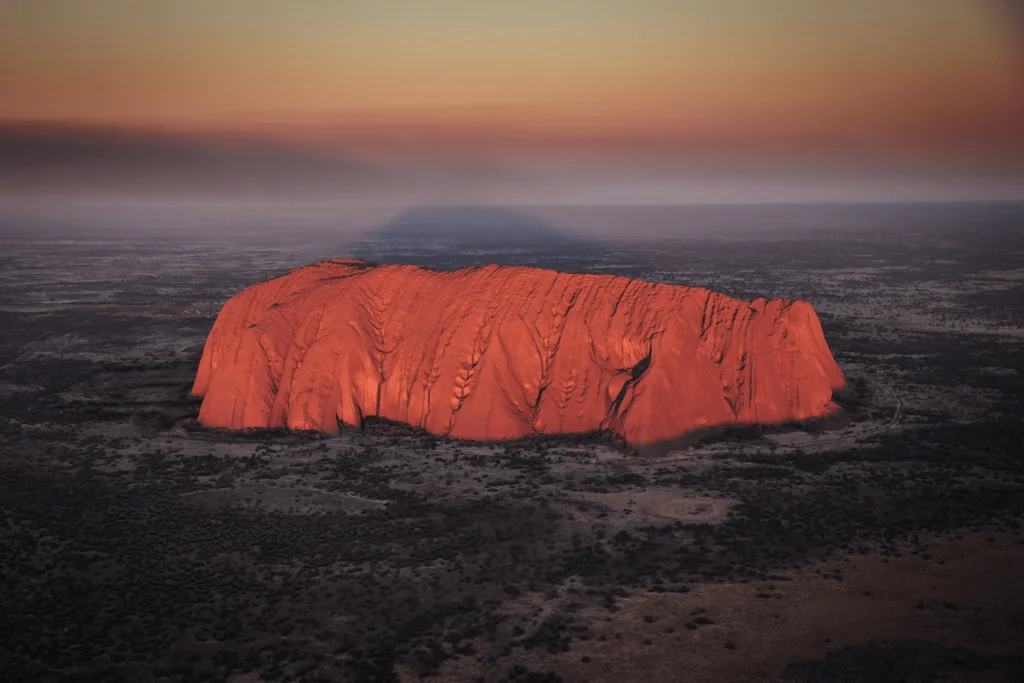
Departing an hour before the sun sets, this tour allows you to see Uluru at its best – covered in a spectacular orange glow. Many visitors across the globe consider sunset to be the best time to view this monolith. As the temperature cools down, our professional guide and driver will pick you up from your accommodation and take you to the best spot to watch the sunset. Relax and enjoy a sparkling wine and nibbles as the sun slowly disappears.
From $109





Frequently Asked Questions About Uluru Tours
How big is Uluru?
It stands 348 metres above the surrounding plain, higher than the Eiffel Tower, and measures about 3.6 kilometres long by 2 kilometres wide. The base circumference is 9.4 kilometres. Photographs flatten it; the scale only lands when you are standing at the base.
How much of Uluru is underground?
Most of it. Geologists estimate the rock continues several kilometres below the surface, and what you see is the exposed tip of a much larger sandstone formation tilted almost vertical. It is not a boulder sitting on sand.
How long does it take to walk around Uluru?
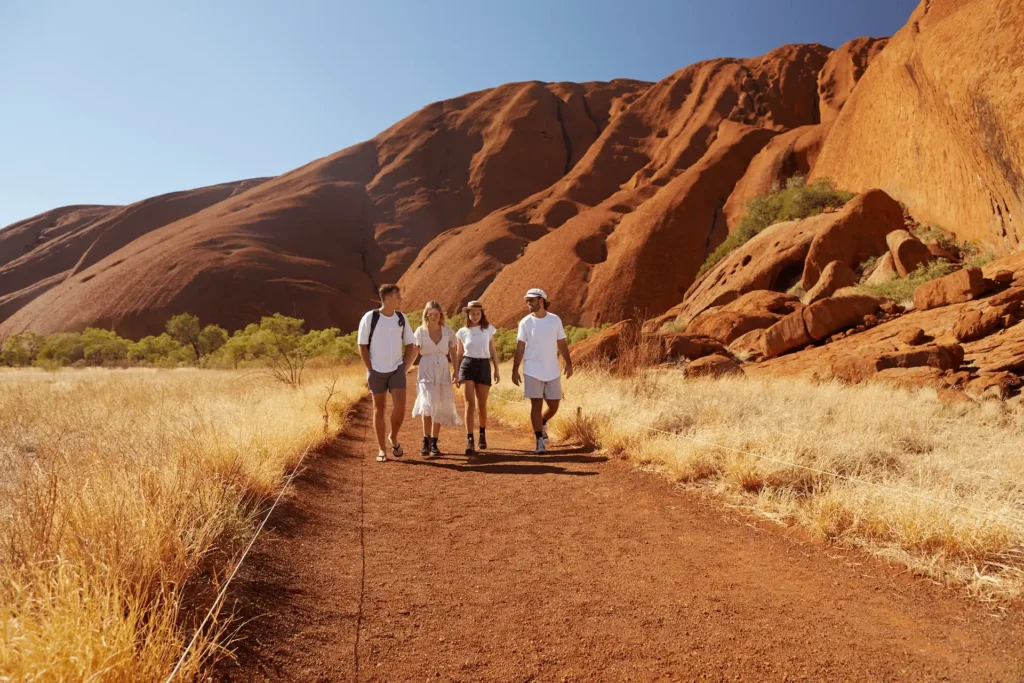
The full base walk is 10.6 kilometres and takes about three and a half hours at a steady pace, longer if you stop at the waterholes and rock art. It is flat and well formed. Start at dawn: rangers close the walk when the forecast temperature is high.
Where is Uluru and what is the closest town?
In the southern Northern Territory, in Uluru-Kata Tjuta National Park. The closest town is Yulara, about 20 kilometres away, which is where the resort and airport sit. Alice Springs is roughly 450 kilometres north east, about five hours by road.
How far is Uluru from Alice Springs?
Uluru is about 450 kilometres from Alice Springs, around five to six hours by sealed road. Our one day tour from Alice Springs ($399) lets you make the most of your time by travelling to Uluru and back in a single day, with the sights and journey planned for you. It’s a big day, but a memorable way to experience Uluru without needing to book another night or change your plans.
When is the best time to visit Uluru?
May to September is the most comfortable time to visit, with cooler days and cold nights that can sometimes fall below zero. October to April brings hotter weather, with summer days often reaching 35°C or more. In hot weather, rangers advise walking the base tracks in the cooler morning hours and finishing before 11am, with some tracks closing later in the day. Sunrises and sunsets are good year round.
Sunrise or sunset at Uluru, which is better?
Sunrise gives you the rock lit from the front with cold clear air and fewer people. Sunset is warmer, busier and the colour change is faster and more dramatic. Our Sunset tour ($109) is the cheapest way to see it; the Sunrise and Kata Tjuta tour ($209) gives you both the rock and the Olgas in one morning.
What is Kata Tjuta?
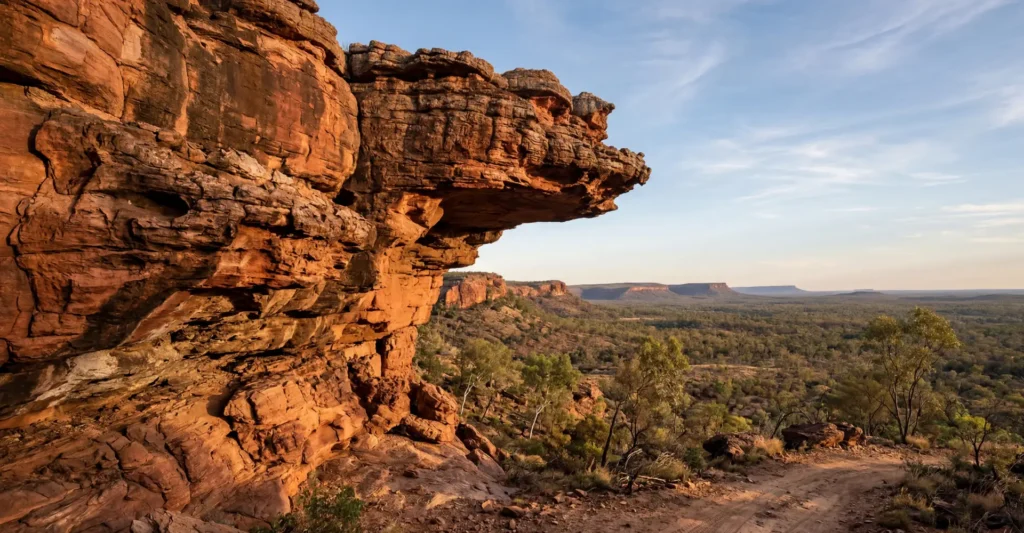
A group of 36 domed rock formations about 50 kilometres west of Uluru, also called the Olgas. The tallest dome is higher than Uluru itself. The Walpa Gorge walk is short; the Valley of the Winds is longer and harder. Both are included on our sunrise and multi-day tours.
What should I bring?
Water, at least three litres a day for walking, plus a hat, sunscreen, sturdy shoes and a fly net between September and November, when the flies are relentless. Warm layers for the nights, which get cold fast in the desert. Camping tours provide the swag or tent.
Can you do Uluru and Kings Canyon in one trip?
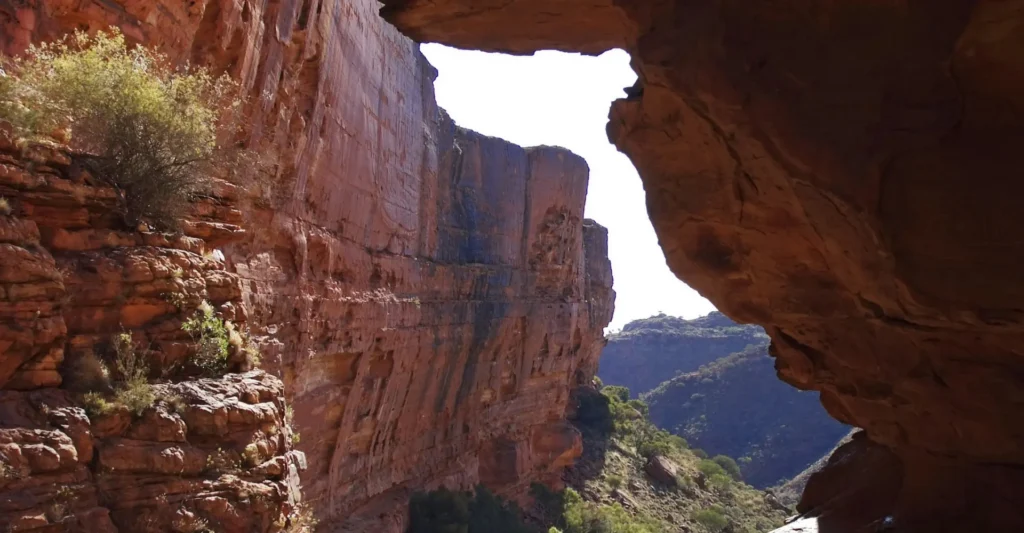
Yes, and it is the natural pairing. Our 3 Day Uluru and Kings Canyon tour ($790 to $980) links both with Watarrka National Park. The Kings Canyon rim walk is six kilometres with a steep climb at the start, so it needs more fitness than the Uluru base walk.


